Weight loss
Get access to GLP-1s prescription weight loss medication online
Get treated from £99.00
A prescriber decides if treatment is right for you. No prescription is guaranteed.
Select your product
Wegovy Tablet
semaglutide

- Tablet
Weight loss without the needles
- Average weight loss of 13.6% in clinical trials¹
- Daily table, no injections
- Dosage starts at 1.5mg, up to 25mg
- 1.5mg-25mg
Start with £99.00
Get startedFoundayo Tablet
orforglipron

- Tablet
No needles, no food rules
- Average weight loss of 12.4%⁴
- Once-daily tablet, no injections
- Take any time, with or without food
- Starts at 0.8mg, up to 17.2mg
- 0.8mg-17mg
Start with £99.00
Get startedWegovy
semaglutide

- Self-injectable pen
Proven results for less
- Average weight loss of 20.7%²
- Once-weekly injection
- Same active ingredient as Ozempic
- Starts at 0.25mg, up to 7.2mg
- 0.25mg-7.2mg
Start with £119.00
Get startedMounjaro
tirzepatide

- Self-injectable pen
Highest average weight loss in clinical trials
- Average weight loss of 22.5%³
- Once-weekly injection
- Works on two appetite hormones (GLP-1 and GIP)
- Starts at 2.5mg, up to 15mg
- 2.5mg-15mg
Start with £149.00
Get startedAbout Weight Loss
Overweight and obesity mean having more body fat than your body needs. For most adults, a BMI of 25 to 29.9 is overweight and 30 or more is obese. For some ethnic backgrounds, health risks start at a lower BMI: 23 to 27.4 is overweight and 27.5 or more is obese.
Overweight and obesity are common in the UK, and they raise the risk of serious conditions such as type 2 diabetes, heart disease, stroke, high blood pressure, some cancers and joint problems.
Yes. Lifestyle changes are the foundation. Weight management programmes, medicines and, for some people, surgery can help as well. Losing even a small amount, 5 to 10% of your body weight, can improve your health.
Prescription weight loss medicines are for adults with a BMI of 30 or more, or 27 to 30 with a weight-related condition such as type 2 diabetes. Not suitable if you are under 18, pregnant, trying to get pregnant or breastfeeding, or have had an eating disorder.
How it works

- 1
Tell us about your health
Questions about your weight, health, medicines and wellbeing.
About 5 minutes
- 2
Identity and weight check
We confirm who you are and check your weight independently.
- 3
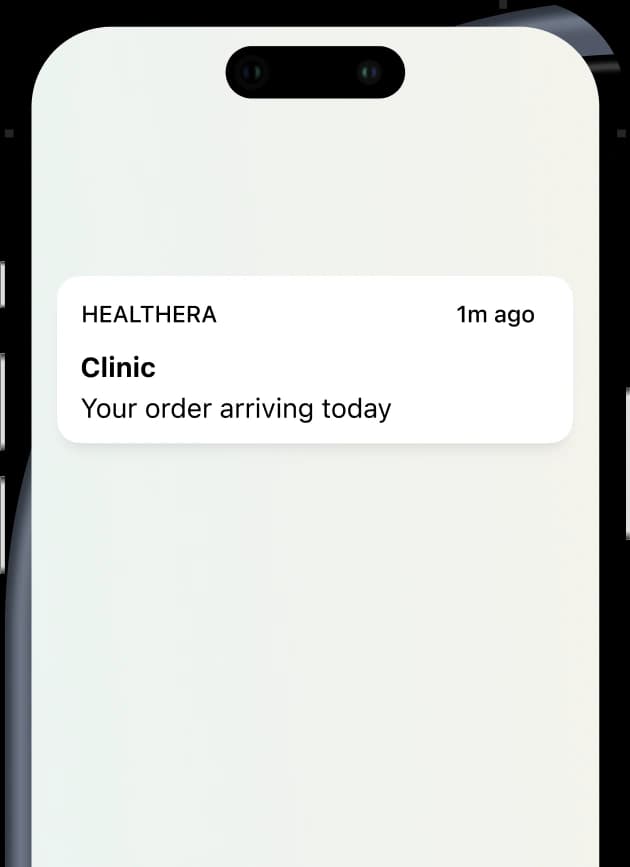
Decision, supply and reviews
If suitable, a pharmacy supplies it. Regular reviews, and your GP is told with consent.
- See if you're eligible
Frequently asked questions
Aim for steady loss of about 0.5 to 1kg a week by eating fewer calories and being more active. If your BMI is in the ranges above, a prescriber can discuss whether medicine could help alongside this.
Adults with a BMI of 30 or more, or 27 or more with a weight-related health condition, may be suitable. A prescriber decides after your consultation and weight check.
Some act on hormones that control appetite, helping you feel fuller for longer. Another type, available from pharmacies, reduces how much fat your body absorbs. They work alongside diet and activity, not instead of them.
All medicines can cause side effects. The common ones are stomach-related. There are rare but serious risks, such as pancreatitis. A prescriber checks your health and medicines first. See the safety information above.
There is no single best option. Your prescriber will discuss what is suitable for your health, history and preferences.
Some people can, through NHS services that follow NICE criteria, which are stricter than the private criteria. Ask your GP.
Your weight must be checked independently. A questionnaire or phone call alone is not enough.
Weight can come back after stopping. Your prescriber should plan support with you for keeping weight off.
With your consent, we share details of your prescription with your GP.
Hair loss is a listed side effect of some of these medicines. Speak to your prescriber if you notice it.
It varies from person to person. Losing weight steadily, about 0.5 to 1kg a week, means changes build up gradually. Weighing yourself once a week, at the same time of day, gives a fairer picture than daily weighing.
For most people, losing weight steadily, about 0.5 to 1kg a week, is the safest way and the most likely to last. Very low calorie diets are not suitable for most people and should only be followed with medical supervision.
There is no single best diet. The NHS advises a balanced diet you can keep to, with fewer calories, plenty of fruit, vegetables and fibre, and fewer sugary drinks and snacks. The free NHS Better Health weight loss plan can help you start.
Adults are advised to do at least 150 minutes of moderate activity a week, such as brisk walking. Being more active helps alongside eating fewer calories. Start slowly if you are not used to exercise.

Get help with your weight
A prescriber decides if treatment is right for you. No prescription is guaranteed.
Start consultation