Home > Conditions > Constipation
Constipation
Constipation is a common digestive issue where pooing becomes difficult or infrequent, often resulting in hard, dry poo. It can usually be treated with changes to your lifestyle or diet.
You may have constipation if you have:
Difficulty having a poo
Pain when you poo, or need to strain to get it out
Had less than 3 poos in the last week
- Not eating enough fruits, vegetables, and whole grains
- Not drinking enough water or fluids
- Not getting enough exercise
- Difficulty having a poo
- Feeling like you can’t empty your bowels
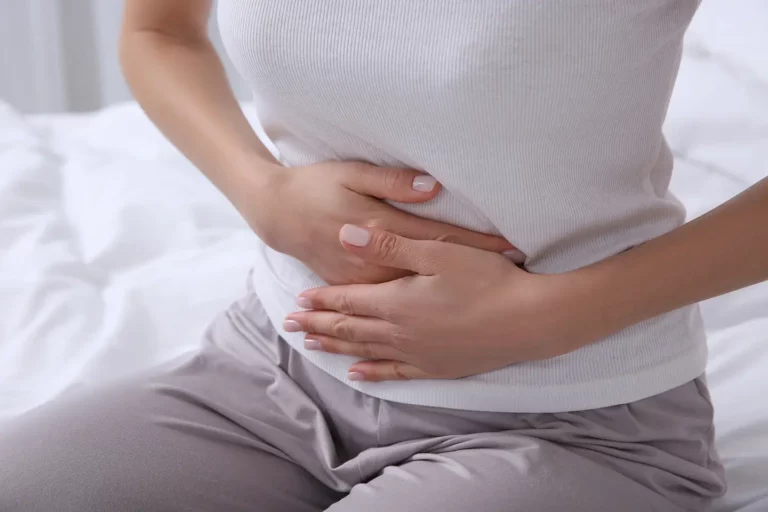
- Abdominal bloating, discomfort, or cramping
- Infrequent bowel movements, typically fewer than three times a week
- Straining when pooing or experiencing pain
- Eat more fruits, vegetables, and whole grains
- Stay hydrated by drinking plenty of water throughout the day
- Increase your physical activity
- Establish a regular bathroom routine and give yourself time to poo comfortably
Some articles you may find helpful:
Order your prescription online 💊
Get your NHS prescriptions from a trusted pharmacy – Free delivery available nationwide…
What is Pharmacy First?
Pharmacy First is a new NHS-funded scheme that helps you quickly get the advice & treatment you need from a pharmacy, without needing to see a GP.
The conditions covered by Pharmacy First are:
Video consultations & advice are free of charge. If you pay for prescriptions you will be charged the prescription rate of £9.65 per prescription item.