Home > Conditions > Panic Disorder
Panic Disorder
Panic disorder is an anxiety disorder characterised by sudden, intense panic attacks. These attacks come unexpectedly and can often seem to happen for no particular reason.
You might have panic attacks if you:
Feel really scared for no reason
Your heart beats fast or feels funny
Sometimes feel like you’re not in the real world
- Family history of panic attacks
- Traumatic life experiences
- Going through big life changes
- Feeling very stressed
- Excessive use of drugs or alcohol
- Suddenly feeling really scared
- Thinking you’re losing control or going crazy
- Feeling shaky, sweaty, or having trouble breathing
- Avoiding places or things that might bring on another attack
- Always worrying about having another one
- Take a prescribed medication
- Practise deep breathing or meditation
- Stay active with exercise
- Eat well and get enough sleep
- Seek support from friends, family, or a therapist
Some articles you may find helpful:
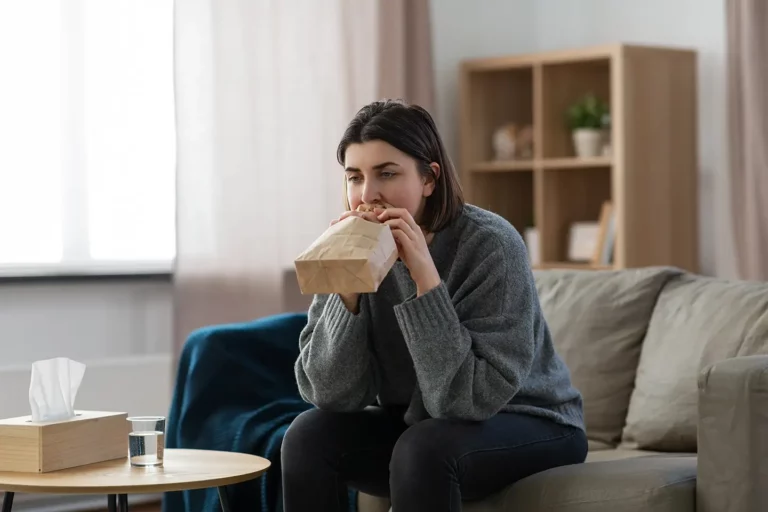
Order your prescription online 💊
Get your NHS prescriptions from a trusted pharmacy – Free delivery available nationwide…
What is Pharmacy First?
Pharmacy First is a new NHS-funded scheme that helps you quickly get the advice & treatment you need from a pharmacy, without needing to see a GP.
The conditions covered by Pharmacy First are:
Video consultations & advice are free of charge. If you pay for prescriptions you will be charged the prescription rate of £9.65 per prescription item.