How Often Patients Fall Behind
When patients miss doses, the consequences are immediate. Health outcomes can worsen, GP appointments increase and pharmacy teams are left chasing up prescriptions or trying to correct avoidable issues.
Around 50% of patients do not take their medicines as intended, according to the World Health Organisation. In the UK, this contributes to £300–£500 million worth of wasted medicines every year, putting additional pressure on the NHS, disrupting GP workflows and leading to unnecessary environmental waste.
Worryingly, nearly one in three patients become non-adherent within just ten days of starting a new medicine, according to the Royal Pharmaceutical Society. This early drop-off can quickly reduce the chances of recovery and lead to avoidable follow-ups that take up time and resources.
What Non-Adherence Costs Your Pharmacy
This early drop-off also puts financial pressure on community pharmacies, with fewer opportunities to complete structured services like the New Medicine Service (NMS), which supports patients who have recently started a new medicine through an initial consultation and follow-up.
For each completed NMS course, pharmacies are paid £28 and, with over 300,000 delivered monthly, the service generates around £8 million in revenue while improving outcome – and this is just a single example of lost potential revenue.
When patients fall behind early-on, those follow-ups become harder to complete. That reduces service income, limits the opportunity to build long-term relationships and ultimately affects your ability to deliver quality care.
Even a single missed dose can set off a chain reaction: a delayed recovery, a rushed phone call, a confused patient or a missed repeat. Over time, these small issues can erode trust, increase workload and reduce the capacity to provide quality care.
Improving adherence is not just about clinical outcomes. It is a practical, sustainable way to protect revenue, reduce operational strain and deliver better results for your patients.
Open Up the Conversation
According to a study by the Royal Pharmaceutical Society (RPS), almost a third of patients will become non-adherent within the first ten days of taking a new medicine and of those 45% are intentionally non-adherent.
This may be due to patients not speaking up about concerns unless prompted, even when they’re unsure about their medicine or struggling to stay consistent. This silence can stem from fear of wasting your time, feeling embarrassed or simply not realising that help is available, which is why creating a safe space matters.
By encouraging open, non-judgemental discussion, your pharmacy team can help patients feel more comfortable sharing concerns like side effects, confusion about timings or anxiety about long-term treatment.
That’s why it’s so important to build open dialogue into everyday interactions. A simple, well-timed question like “Are you getting on okay with your medicine?” can uncover underlying challenges that might otherwise go unnoticed.
These check-ins don’t need to be formal or time-consuming. Even a passing comment during a collection or a quiet moment in the consultation room can create space for a meaningful conversation about adherence.
Spot the Signs Early
Adherence challenges don’t always show up clearly, almost half of all non-adherent patients are unaware they’re taking their medicine incorrectly (RPS) until it begins to affect their health. That is why recognising early signs can help your team step in before small issues grow into bigger problems.
Late prescription collections, early requests for repeats or unexplained gaps between pickups can all be signs that a patient may be missing doses. Others may appear confused about what their medicines are for or ask the same questions more than once.
Keeping an eye on these indicators through your pharmacy system or day-to-day interactions can help you build a clearer picture. When these patterns appear, your team is in the best position to step in early, start a conversation and provide timely support.
Help Patients Build the Habit
Forgetfulness accounts for the majority of missed doses, with 62% of patients citing it as the main reason for unintentional non-adherence, according to a survey by the NPA and YouGov (2021).
Supporting patients with simple aids like dosette boxes or blister packs can help them organise their medicines more clearly, reduce confusion and make it easier to keep track of what they have taken and when.
Encouraging patients to link their medicine-taking with familiar daily habits such as brushing their teeth in the morning or preparing a cup of tea in the evening can create helpful triggers that make each dose feel like a natural part of their day.
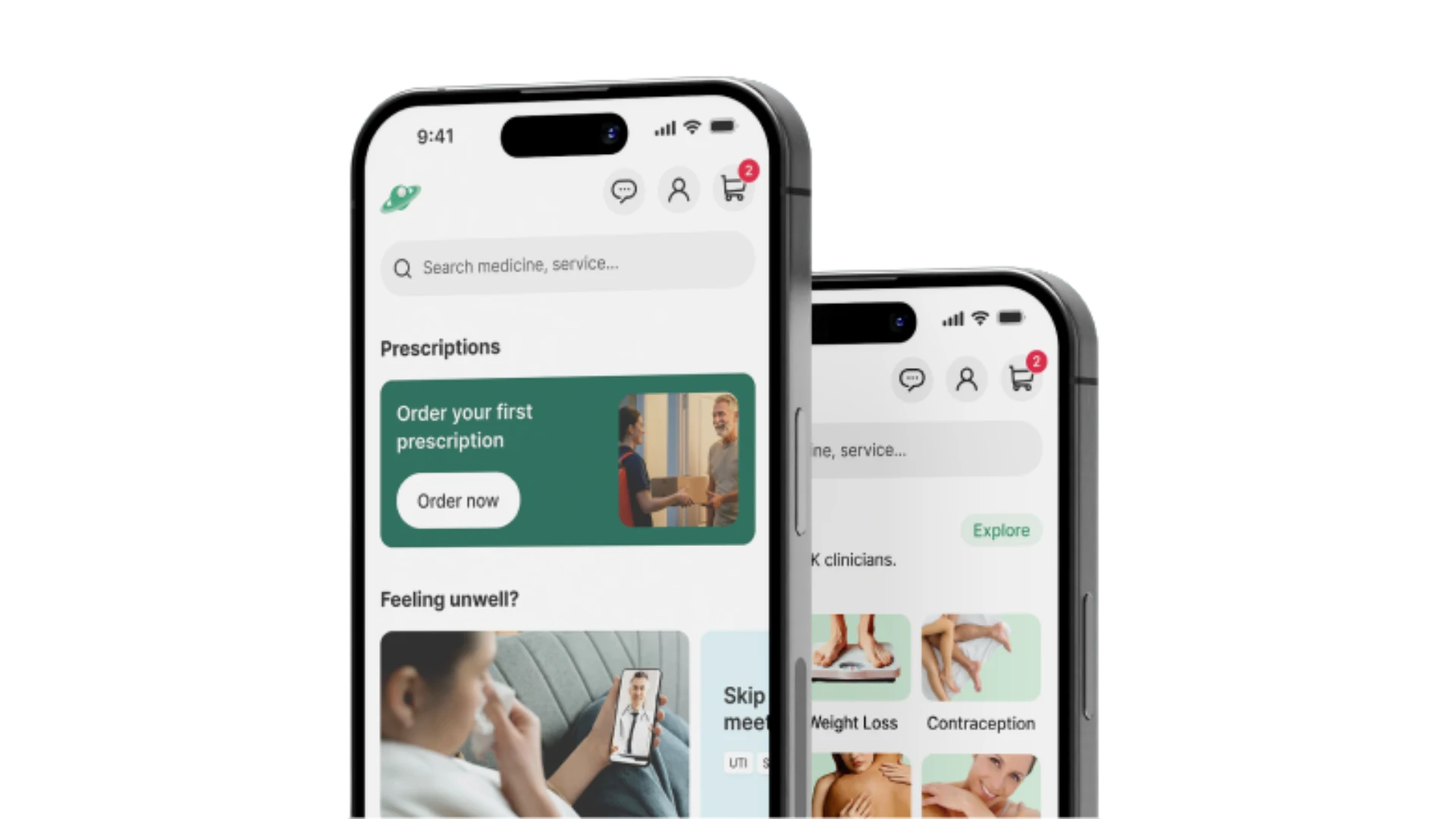
If patients continue to struggle with taking their medicine on time, you can recommend using the Healthera app to set up tailored reminders. These alerts can include not just when to take each medicine but also how to take it, such as whether it should be taken with food, on an empty stomach or after meals.

Alongside building these habits, it also helps to remind patients to order their next repeat prescription when they have about a week’s supply remaining. This simple step can reduce the risk of running out unexpectedly and ensures they stay on track with their treatment plan without interruption.
While habits and tools help create structure, patients are far more likely to stay consistent when they understand why their treatment matters and how to take it in a way that gives the best results.
Make the Reason Clear
When patients understand the purpose behind their treatment and how their prescribed medicines actually go towards improving their health, they’re more likely to take it consistently.
Your explanation doesn’t need to be complex, as patients may find this difficult to understand. Instead, use simple, personable language that makes the benefits of taking their medicine regularly clear, for example, that their medicine helps lower their blood pressure to reduce the risk of heart disease.
When patients stay consistent with their treatment, they’re also more likely to stay engaged with your pharmacy. This creates natural opportunities to recommend private services, suggest relevant OTC products or guide them towards additional care when appropriate.
Final Thoughts
Helping patients stay consistent with their medicines is one of the most effective ways to improve patient health and reduce avoidable workload for your pharmacy staff.
The steps in this guide are simple to introduce and can make a measurable difference. With the help of structured routines, clear explanations and supportive tools, adherence becomes easier to manage across your patient base.
The Healthera app can support this by offering scheduled ordering and personalised reminders. These prompts help patients reorder on time and follow guidance on how and when to take their medicines.
These digital features work best when they support the care your team already provides. Together, they can help patients stay on track while freeing up time for your staff to focus on what matters most.
Adherence improves when the basics are done well – with small, consistent steps, your pharmacy can help more people feel confident managing their health each day.