Introduced in 2009, Electronic Repeat Dispensing (eRD) is an optional method of dispensing prescriptions electronically, allowing GPs to issue patients with stable long-term conditions with a batch prescription lasting up to 12 months. This enables pharmacies to dispense the patient’s medicine without needing to request approval from the GP each time.
According to an NHS England estimate, if 80% of eligible patients were signed up to eRD, it could save up to 2.7 million GP hours every year but the real value for pharmacies is unlocked in the opportunities it can open up.
The Benefits For Your Pharmacy
Despite the clear benefits, eRD is still significantly underused. In fact, a 2023 study published in the Journal of Pharmaceutical Policy and Practice found only 4.65% of eligible prescriptions were being managed through eRD, highlighting a major opportunity for pharmacies to increase adoption and unlock its full potential.
If you adopt eRD properly, it can transform how you manage repeat prescriptions for many of your patients by reducing repetitive manual tasks, unnecessary GP contact and giving you a clearer overview of your dispensing schedule.
The time saved can be reinvested into areas that grow your business. With fewer manual tasks to handle, your team can focus on delivering high-value services, increasing over-the-counter (OTC) sales and building loyalty with your patients.
Improved visibility also helps you manage stock more efficiently. By knowing what is coming and when, you can plan ahead, reduce wastage and avoid unnecessary over-ordering. This protects your margins and ensures patients receive their medicines without delays.
How to Identify eRD Patients
While eRD is designed for patients with stable long-term conditions, not every patient on a repeat prescription will be eligible. GPs are responsible for confirming eligibility based on clinical stability and the predictability of the treatment plan. However, pharmacy teams can play a key role by identifying suitable candidates and encouraging them to speak with their GP about enrolling.
Patients are more likely to be eligible for eRD if they:
- Have one or more long-term conditions such as asthma, high blood pressure, type 2 diabetes, high cholesterol, hypothyroidism or chronic pain
- Take the same medicines regularly without frequent changes to dosage, strength or formulation
- Receive repeat prescriptions at regular intervals such as every 28 or 56 days
- Do not require regular medication reviews, blood tests or clinical monitoring that could affect prescribing
Pharmacy staff can spot potential candidates by reviewing (Patient Medication Record) PMR records, noticing ordering patterns or simply having conversations at the counter. Patients who repeatedly order the same items or express frustration with the current repeat process may be ideal for eRD.
Once identified, you can support them by:
- Explaining how eRD works and the benefits it offers
- Encouraging them to ask their GP if they might be eligible
- Supporting the nomination and collection process once they’re enrolled, ensuring they understand when and how to collect their medicines going forward
Working with Your Local GP Surgery
Pharmacy-led eRD is most effective when supported by local GP practices, as GPs are responsible for confirming eligibility.
By highlighting how eRD reduces admin, improves accuracy and supports both teams, you can build a shared approach that ensures eligible patients are enrolled efficiently. Offering to guide patients through the process can further ease the transition and reduce pressure on the GP surgery, helping to strengthen your working relationship.
This relationship can improve patient experience but also opens the door to more referrals for services like Pharmacy First, flu vaccinations and long-term condition reviews, supporting better care while helping to grow your pharmacy’s revenue.
How to Seamlessly Implement eRD Into Your Workflow
To get the most out of eRD, it should be built into your daily workflow with clear processes, defined responsibilities and consistent communication across the team.
Begin by creating a structured approach that assigns team members to monitor incoming issues, prepare items in advance and track when the next dispensing is due.
Managing patient expectations is just as important, when patients are clear on when their medicines will be ready and understand how the collection or delivery process works, they are less likely to call or visit the pharmacy unexpectedly. This helps reduce unnecessary interruptions and allows staff to focus on more valuable tasks.
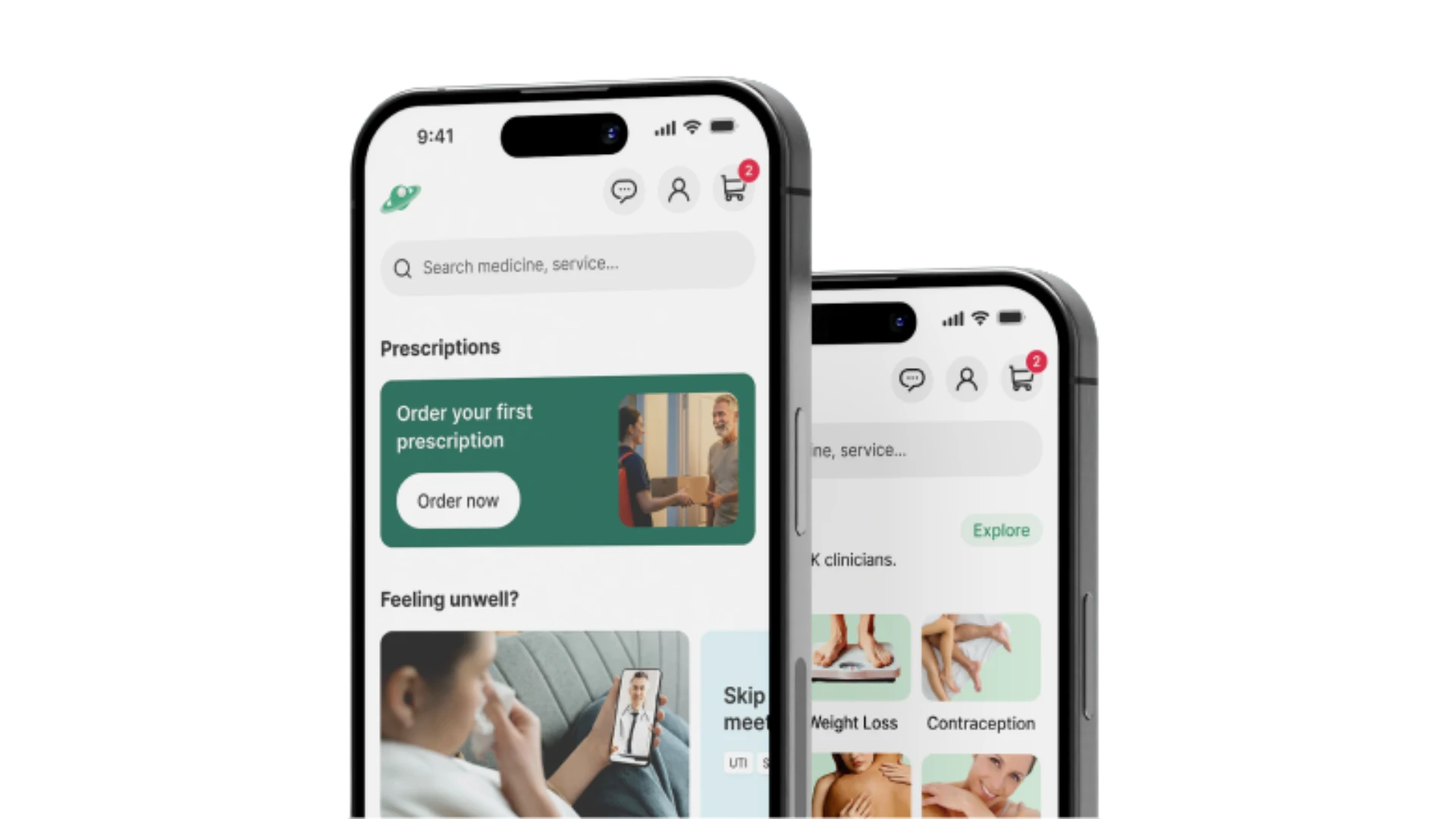
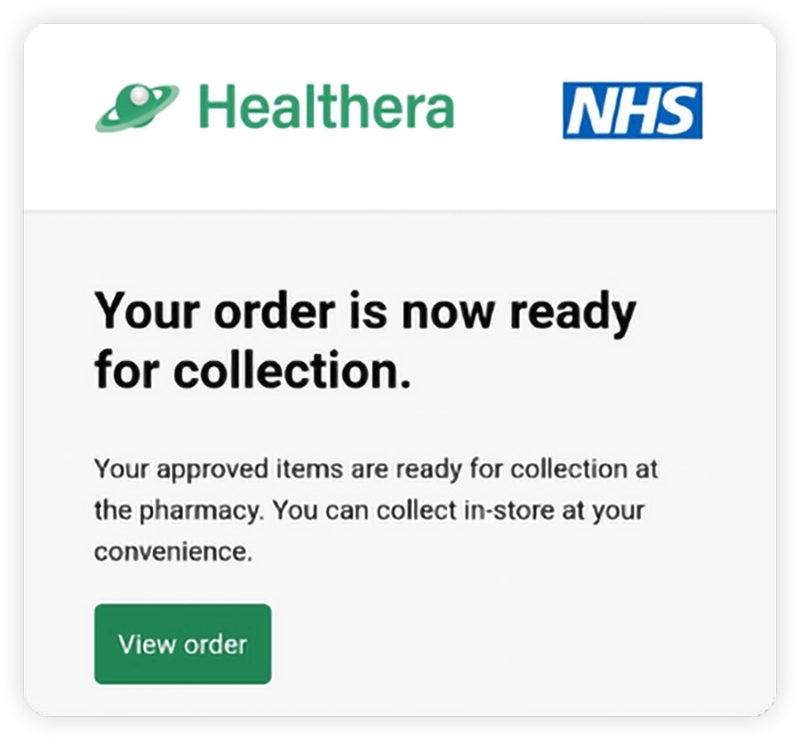
Digital tools can make the eRD journey simpler and more reassuring for patients. With Healthera, they can order their repeats online and receive clear updates about when their medicines are ready, giving them confidence and reducing the need to chase. This helps create a more seamless experience while easing day-to-day pressure on your team.
Final Thoughts
eRD is a practical way to reduce admin, ease staff workload and create more capacity for clinical services. When set up effectively, it simplifies repeat dispensing and leads to a better experience for both patients and your team.
By identifying suitable patients, putting clear processes in place and communicating consistently, you can improve day-to-day operations and give patients the experience they deserve.
Digital tools such as Healthera can support this by streamlining the ordering journey, keeping patients informed and reducing unnecessary calls, so your time is freed up to focus on growing your pharmacy’s other revenue streams.