Hypertension, or high blood pressure, is a common health issue that can lead to serious and potentially fatal complications. Blood pressure is generally considered high when it’s measured at 140/90mmHg or above, however this increases as you get older (above 80).
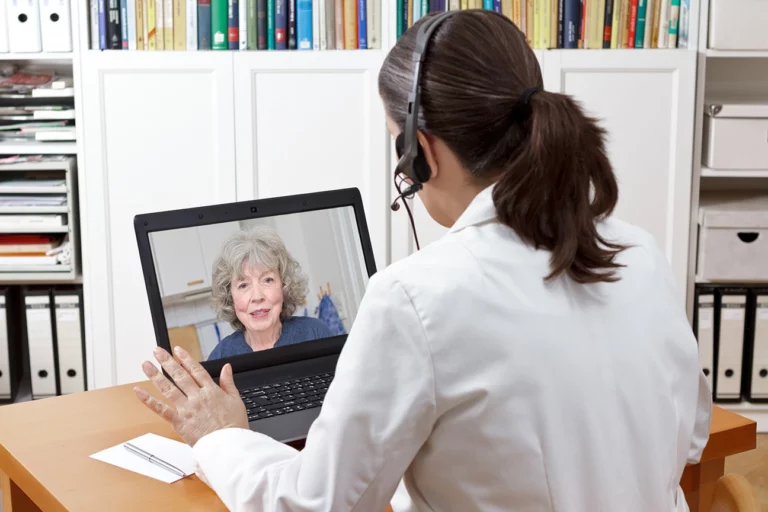
Video consultations & advice are free of charge. If you pay for prescriptions you will be charged the prescription rate of £9.65 per prescription item.
It’s important for all adults to know what their blood pressure numbers are. High blood pressure, otherwise known as hypertension, is incredibly common. According to Blood Pressure UK, there are 6 million people in the UK that have high blood pressure and aren’t aware. While it’s natural for your blood pressure to fluctuate to a certain extent, if your blood pressure remains high over a period of time, it needs to be managed or treated otherwise it can lead to serious problems, such as heart attacks or strokes.
What is High Blood Pressure?
High blood pressure (hypertension) means that your blood pressure is too high and is causing your heart to work harder to pump blood around your body. Even though it is a very common condition and can be effectively managed, it is serious and can lead to potentially fatal heart and circulatory diseases among damage to vessels and other organs.
What is Low Blood Pressure?
Low blood pressure, or hypotension, is a reading below 90/60mmHg. Causes of low blood pressure include a variety of factors such as being fit, having diabetes, or being pregnant. In most cases, making some lifestyle changes or treating what is causing the hypotension can effectively improve blood pressure.
Causes of High Blood Pressure
High blood pressure doesn’t always have an exact cause that can be identified. There are two different types of high blood pressure; primary and secondary hypertension. Primary hypertension, or essential hypertension, develops over time and has no known cause. This is the most common type. There are usually theories about the factors that contributed to the development of this condition based on the individual that has been diagnosed. These include diet, lifestyle habits, or underlying health conditions.
Secondary hypertension is when a cause can be identified. In these cases, the high blood pressure tends to develop quickly and more severely than primary hypertension. There are a number of conditions that can result in secondary hypertension. Some of these are:
There are a number of factors that can increase your risk of developing high blood pressure. These include:
Being of black african or black caribbean descent
Being over the age of 35
Being pregnant
Smoking
Eating too much salt
Not exercising enough
Being overweight
Drinking excessive amounts of alcohol
Symptoms of High Blood Pressure
The significant number of adults that are unaware that they have high blood pressure is due to the fact that it rarely comes with noticeable symptoms, if any at all. If you do experience symptoms, these can include:
Headaches
Dizziness
Breathlessness
Nosebleeds
Blurred vision
Chest pain
Without any symptoms at all, high blood pressure can continue to develop over a number of years before it becomes noticeable. In these cases, the symptoms can present as those above, and/or flushing, blood in the urine and more. If you experience any of these symptoms, especially if you are in any of the risk groups, it’s important to get medical attention immediately.
It’s important to note that due to how unlikely it is to show any significant symptoms of high blood pressure before it is severe, it is essential to get blood pressure readings done on a regular basis.
Getting Your Blood Pressure Checked
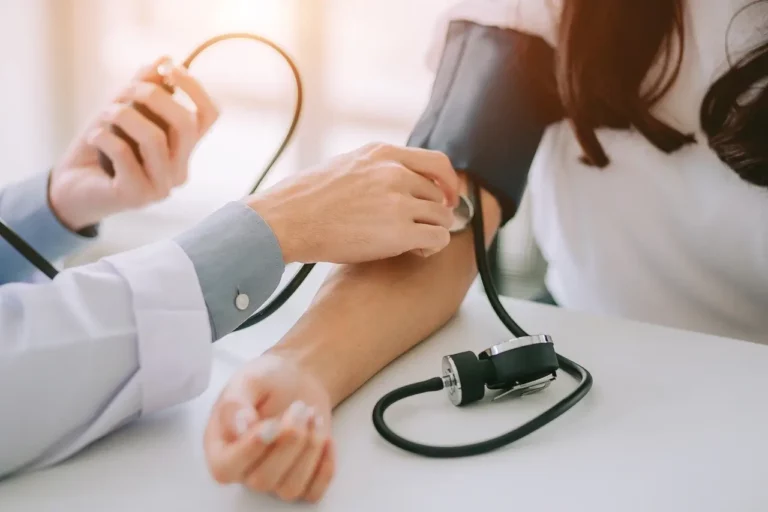
Getting your blood pressure checked is a very quick and non invasive process. A sphygmomanometer would be wrapped around your upper arm. This would be a pressure cuff attached to a small digital monitor with the reading. In some cases the cuff is inflated using a small pump, in others you can simply press a button and it expands electronically.
The reading shows two numbers; the systolic and diastolic pressures. These two numbers indicate the highest and lowest levels of your blood pressure – when the heart beats and contracts, and when the heart relaxes between each.
Where You Can Get Your Blood Pressure Checked
In order to get your blood pressure checked by a medical professional, you can do so at:
The NHS health check is a free check up for those aged between 40 and 74 in England. In other parts of the UK, you should speak to your doctor about what is available to you.
Checking Your Blood Pressure at Home
You can check your blood pressure yourself at home. Many people do this when they have already been diagnosed with hypertension, or when they are at a high risk of developing it. Because of this, they take regular readings to help them manage their blood pressure. If you’ve been advised to do this by a medical professional, it’s likely you will be told what to look out for and how to do it. This may include checking your readings against a Blood Pressure Chart for Adults, or entering it into a Blood Pressure Calculator. You can however decide at any time that you want to do it yourself. Blood pressure can be affected by age in that a normal or healthy blood pressure reading for an adult would be different to that of a child. Therefore if you are taking blood pressure readings for a child, first discuss it with a medical professional so you know what to look out for.
You can watch the video by the British Heart Foundation below to find out how to check your blood pressure yourself.
Diagnosing Hypertension
Blood pressure readings tend to be taken as a standard part of a routine check up. If your doctor doesn’t offer to take one, you can request one. If, based on your medical or family history, your doctor believes you are at a high risk, it’s likely that your blood pressure will be taken more regularly.
Diagnosing high blood pressure is a simple process. It involves taking a blood pressure reading, which will initially identify the raised blood pressure numbers, and then subsequent readings over a period of time to assess if the high blood pressure is continuous. This is because you may have had a high reading because of a number of temporary factors such as being stressed in that moment or setting. Once hypertension has been identified, your doctor may then take you through a few more tests to rule out possible underlying conditions.
Treating High Blood Pressure
Once hypertension is diagnosed, doctors commonly start treatment right away. If your blood pressure is particularly high, it’s likely that you will be given medication to lower your blood pressure. This will also be the case if you have one or more of these conditions:
Kidney disease
Diabetes
Damaged blood vessels
Heart disease
Circulatory disease
High risk of the above
In many cases, you would be prescribed more than one medication to manage your blood pressure as that’s known to be more effective than just one. The medications could include:
Alpha-blockers
Beta-blockers
Diuretics
ACE inhibitors
Calcium channel blockers
ARBs
You may also be put on a treatment plan that will include lifestyle changes to help you manage your blood pressure.
Managing Your Blood Pressure
Knowing what could have a negative or positive effect on your blood pressure is important to know regardless of your current medical state, whether or not you have been diagnosed with hypertension, or your risk factor. This is because high blood pressure can go unnoticed for a long enough time to cause serious risks to your health. The home remedies for managing your blood pressure are also effective for taking care of your general health. However, if you are high risk, or you have hypertension, it is recommended that you are much stricter when it comes to taking care of your blood pressure.
Aside from checking your blood pressure regularly, at home or by a medical professional, there are a number of other things you can do to lower or manage your blood pressure. This involves diet, exercise and stress management:
Reduce your salt intake – it is advisable to not cook with any salt, and cut out processed food
Maintain a healthy weight – you can check what the recommended weight is for your height by calculating your BMI, but if you’re not sure you should speak to your doctor
Don’t smoke – follow these self help tips to help you quit smoking
Exercise regularly – aim to move regularly and have at least 150 minutes of moderate intensity exercise a week
Healthera
Healthera operates a leading healthcare marketplace that provides patients with medicines, healthcare services and products through the largest digital platform of pharmacies and GPs in the UK, including national chains and independent providers. Download Healthera App to order NHS
We use cookies on our website to give you the most relevant experience by remembering your preferences and repeat visits. By clicking “Accept All”, you consent to the use of ALL the cookies. However, you may visit "Cookie Settings" to provide a controlled consent.
This website uses cookies to improve your experience while you navigate through the website. Out of these, the cookies that are categorized as necessary are stored on your browser as they are essential for the working of basic functionalities of the website. We also use third-party cookies that help us analyze and understand how you use this website. These cookies will be stored in your browser only with your consent. You also have the option to opt-out of these cookies. But opting out of some of these cookies may affect your browsing experience.
Necessary cookies are absolutely essential for the website to function properly. These cookies ensure basic functionalities and security features of the website, anonymously.
Cookie
Duration
Description
cookielawinfo-checkbox-analytics
11 months
This cookie is set by GDPR Cookie Consent plugin. The cookie is used to store the user consent for the cookies in the category "Analytics".
cookielawinfo-checkbox-functional
11 months
The cookie is set by GDPR cookie consent to record the user consent for the cookies in the category "Functional".
cookielawinfo-checkbox-necessary
11 months
This cookie is set by GDPR Cookie Consent plugin. The cookies is used to store the user consent for the cookies in the category "Necessary".
cookielawinfo-checkbox-others
11 months
This cookie is set by GDPR Cookie Consent plugin. The cookie is used to store the user consent for the cookies in the category "Other.
cookielawinfo-checkbox-performance
11 months
This cookie is set by GDPR Cookie Consent plugin. The cookie is used to store the user consent for the cookies in the category "Performance".
viewed_cookie_policy
11 months
The cookie is set by the GDPR Cookie Consent plugin and is used to store whether or not user has consented to the use of cookies. It does not store any personal data.
Functional cookies help to perform certain functionalities like sharing the content of the website on social media platforms, collect feedbacks, and other third-party features.
Performance cookies are used to understand and analyze the key performance indexes of the website which helps in delivering a better user experience for the visitors.
Analytical cookies are used to understand how visitors interact with the website. These cookies help provide information on metrics the number of visitors, bounce rate, traffic source, etc.
Advertisement cookies are used to provide visitors with relevant ads and marketing campaigns. These cookies track visitors across websites and collect information to provide customized ads.

 Healthera